







Search Results for: fines migration
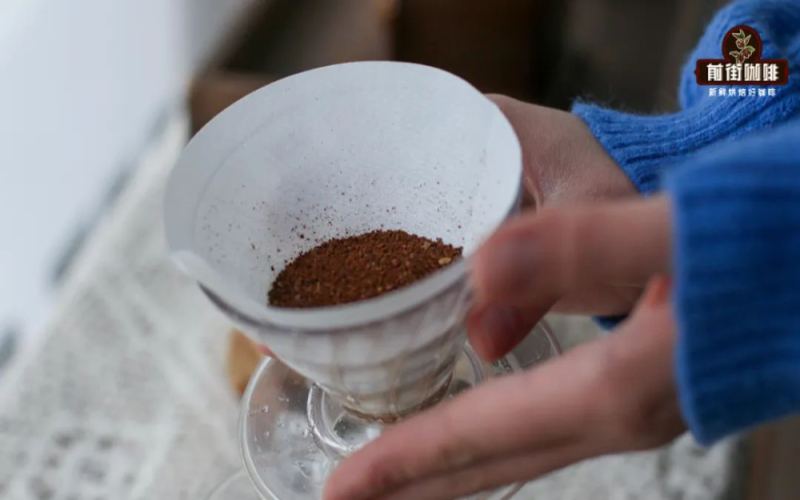
Why Shouldn't You Tap the Dripper When Leveling the Coffee Bed in Pour-Over? Analyzing the Real Impact of Fine Migration on Bloom Degassing
In pour-over coffee, keeping the coffee bed level is a prerequisite for even extraction, and many enthusiasts are in the habit of tapping or shaking the dripper to level the grounds. Yet hidden behind this gesture is an easily overlooked problem: the vibration causes fines to migrate downward through the gaps between the coarser particles, forming a dense layer at the bottom of the dripper while leaving fluffy coarse grounds on the surface. This structural change not only alters the appearance of the coffee bed but also directly affects the degassing effect during the bloom stage. Through comparison charts and actual brewing photos, this article breaks down in detail the changes in fines distribution caused by tapping the dripper, and explains their practical impact on subsequent brewing, to help you make more sensible judgments when leveling the coffee bed. [more…]

The Roast Degree Migration of Home Espresso: From Dark Roast Beginner to Medium-Light Adventurer
Many people start their espresso journey with dark roast beans—rich caramel and dark chocolate, with a prominent, straightforward bitterness that, once combined with milk, becomes almost a liquid dessert. The barrier to entry is low, and it fits the general public's initial idea of coffee. But the world of coffee flavor is far broader than this stretch. As the number of shots pulled increases, many people naturally begin to [more…]
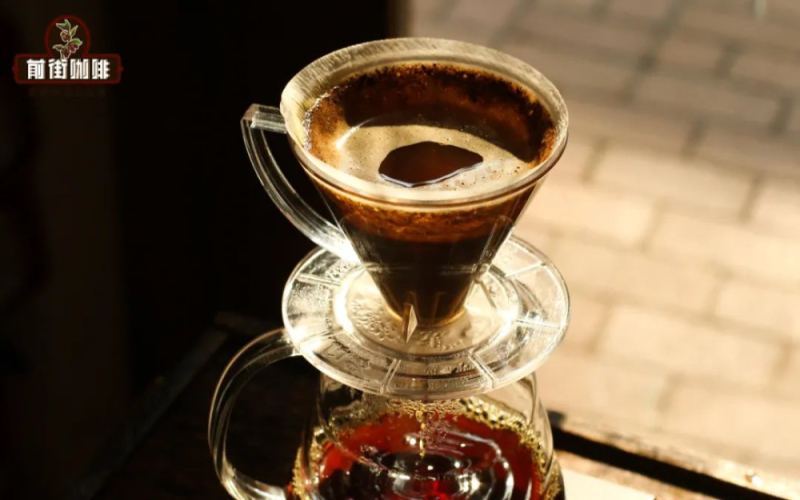
Fine Migration Clogging and Three-Stage Extraction: Analyzing the Common Causes of Clogging in Pour-Over Coffee and the Logic of Flow Cutoff
During pour-over brewing, water pooling in the dripper, a sudden drop in flow rate, or even a complete stall are tricky situations many enthusiasts have encountered. Once this kind of clogging happens frequently, it not only disrupts the brewing rhythm but also makes the final flavor direction hard to predict. What exactly causes water to be unable to pass smoothly through the coffee bed? Drawing on years of brewing and troubleshooting experience, Front Street Coffee has summarized three key influencing factors, among which fine particles blocking the filter paper pores is especially common. At the same time, why the three-pour method is widely used and what the flow-cutoff action is intended to achieve are also worth clarifying. This article will break down the principles behind these steps one by one to help you locate problems faster and make targeted adjustments the next time you brew. [more…]
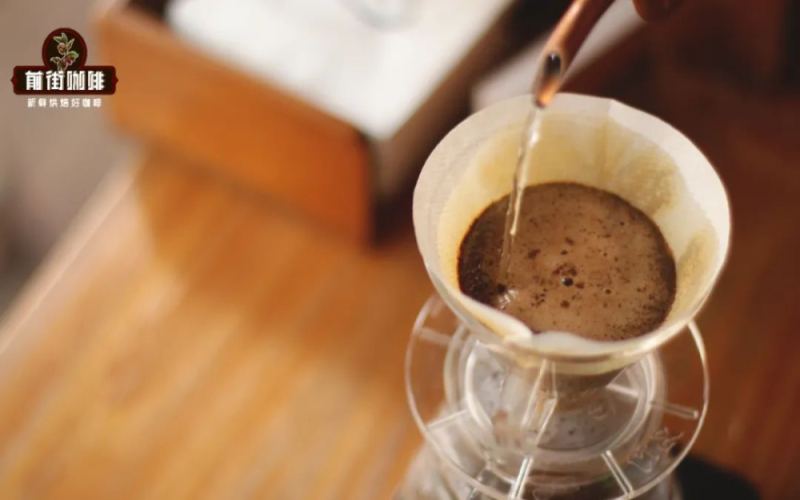
Can gently tapping the dripper really change the extraction result? The hidden link between fine migration and channeling
In pour-over coffee, many enthusiasts habitually tap the dripper before pouring water, trying to make the surface of the coffee bed more level. However, this seemingly harmless little action may cause fines to gradually settle to the bottom under vibration, creating a coffee bed density that is loose at the top and compact at the bottom. When hot water passes through this uneven structure, it will bypass the denser areas of greater resistance and flow toward the edge of the dripper, triggering channeling and a failed bloom, ultimately leading to uneven extraction, clogging in the final stage, and even over-extracted woody flavors. Through comparative experiments, Front Street Coffee found that the two groups of coffee—one without tapping and one with ten taps—showed clear differences in drip time and flavor performance. This article will break down the physical mechanism of fines settling and share a coffee-dosing technique that achieves a level coffee bed without repeated tapping, helping you consistently reproduce the ideal flavor in your daily brewing. [more…]
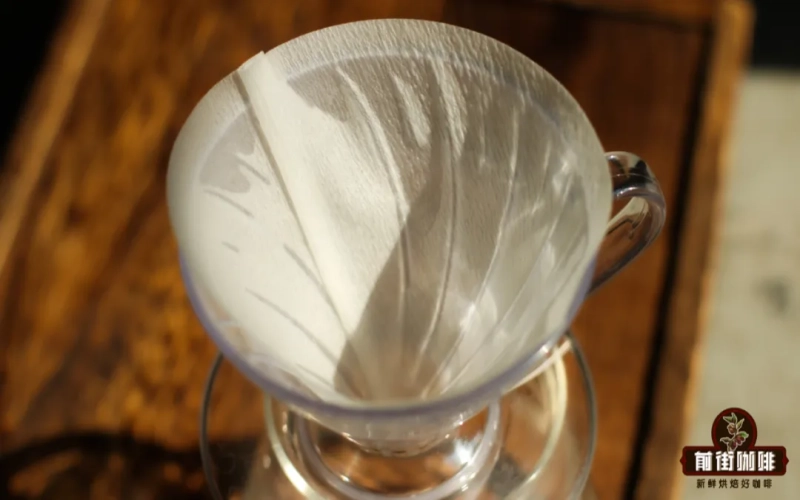
Why does tapping the coffee grounds in a pour-over dripper cause clogging? A complete analysis of fines migration and over-extraction risk
Many coffee enthusiasts have experienced this impulse while brewing: the moment they see an uneven coffee bed, they want to tap the dripper to level out the grounds. Yet this seemingly reasonable action can trigger a chain of negative reactions—fines sinking, the filter paper clogging, extraction time stretching out, and ultimately a bitter, over-extracted cup. Through comparative experiments, Front Street Coffee found that a tapped coffee bed took 21 seconds longer to complete extraction than an untapped one, with a noticeably bitter taste. The key principle behind this is the Brazil nut effect: vibration causes large particles to rise and fines to sink, clogging the pores of the filter paper. This article will analyze the causes of this phenomenon in detail and offer the correct methods for distributing the grounds and remedying the situation. [more…]
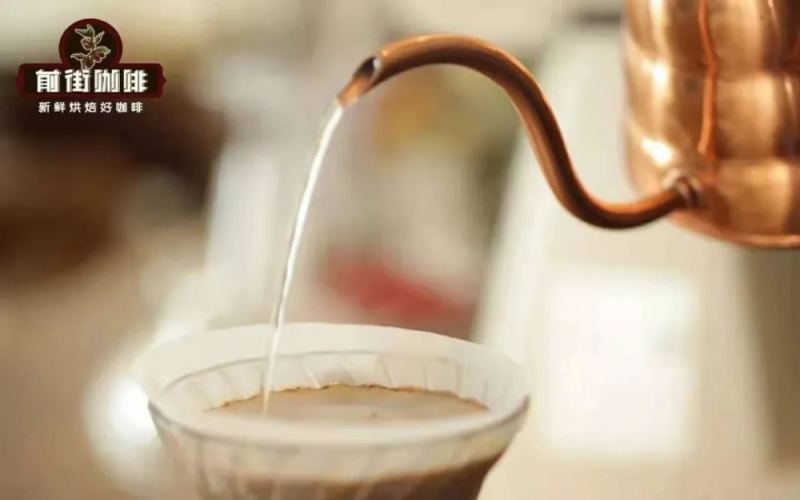
Analysis of Six Classic Pour-Over Coffee Brewing Methods: Techniques and Flavor Differences from One-Pour to Stirring
The charm of pour-over coffee lies in its rich and varied brewing methods, with different techniques bringing out completely different flavor expressions. This article systematically sorts out six common pour-over techniques—one-pour flow, three-stage, four-six method, three-temperature brewing method, volcano pour, and stirring method—explaining in detail the operational key points, applicable scenarios, and flavor characteristics of each technique. From the logic of dividing pouring stages to extraction strategies based on water temperature changes, from adjusting grind size to the influence of stirring intensity on fine particle migration, the content balances theoretical principles with practical details. The article also specifically shares the three-stage brewing parameters used daily at Front Street Coffee, as well as the grinding solutions offered to address the easy over-extraction problem of the four-six method, making it suitable for coffee enthusiasts who wish to refine their brewing skills. [more…]
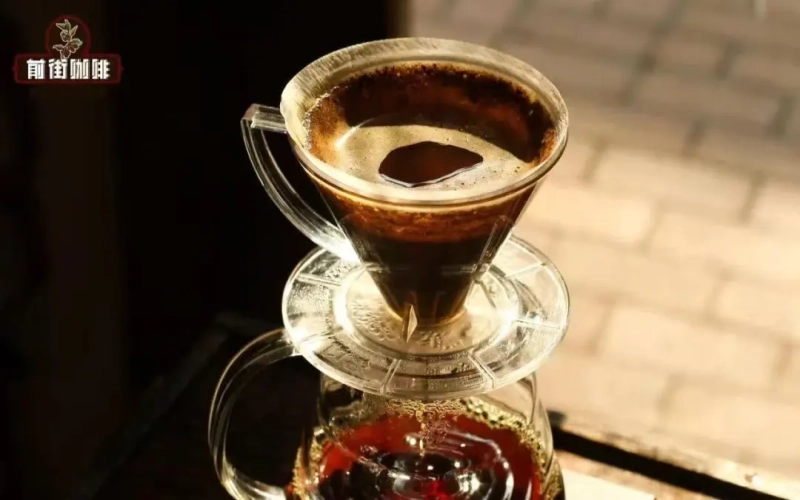
How to Fix Slow Drawdown in Pour-Over Coffee? A Full Analysis of the Three Major Factors: Fines, Agitation, and Bean Density
When brewing pour-over coffee, water failing to drain through the dripper is a problem many enthusiasts encounter. The causes of clogging are not singular—too many fines, overly vigorous agitation, and high bean density can all slow the flow. This article starts from these three common factors, analyzing each cause one by one and offering corresponding ways to improve them—including coarser grinding with a slower extraction, using a sifter, and adjusting pouring technique. At the same time, it will explain that clogging does not necessarily mean over-extraction, and whether to make adjustments should ultimately be based on how the coffee tastes on the palate. Front Street Coffee will share its brewing experience with high-density beans, using the Yirgacheffe Giddingding from its own bean list. [more…]
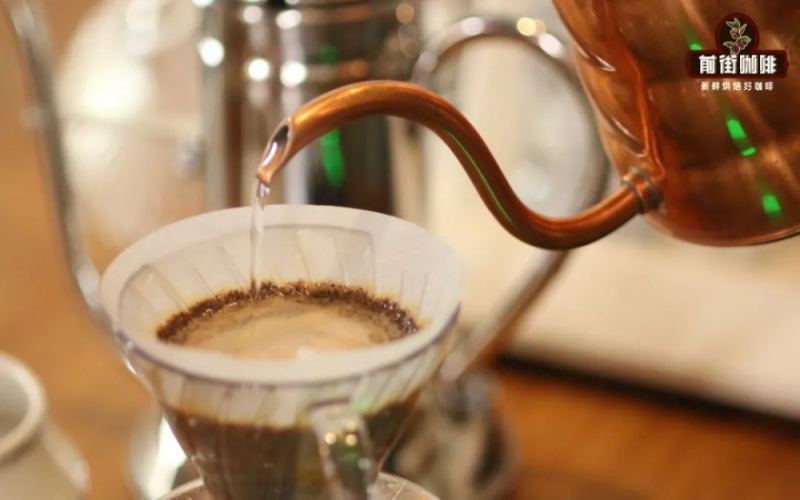
Analyzing the Timing of Pauses in Three-Pour Hand-Brewed Coffee: An Extraction Comparison Experiment Between Waiting for the Bed to Drain and Re-Pouring at the Halfway Point
In the three-pour method for pour-over coffee, the timing of the third pour is often overlooked—should you wait for the coffee liquid to completely drain before pouring, or should you top up promptly once the water level drops by half? Front Street Coffee conducted two sets of comparative experiments, using Costa Rica Strawberry Candy and washed Yirgacheffe beans respectively, to analyze in depth the practical differences between the two pouring methods from the dimensions of aroma, flavor, extraction time, and coffee bed state. The experiments revealed how the timing of the pour affects the temperature of the coffee bed, fine migration, and the final flavor performance, while also explaining why beans of different hardness show completely different results when faced with waiting for the liquid to drain. This article will present the full experimental process and conclusions to help coffee enthusiasts understand the core logic of judging when to pour in the three-pour brewing method, and provide Front Street's practical recommendations. [more…]

Key Factors That Determine the Thickness of Espresso Crema: From Coffee Bean CO2 Content to Robusta Blending
In the espresso extraction process, the richness of the crema is often one of the key concerns for coffee enthusiasts. Some need it for latte art, while others are influenced by commercial promotion and often ask Front Street how to obtain a richer Crema. But what exactly is the essence of crema? Is more really better? This article will start from Front Street's perspective and provide a detailed analysis of the three core factors affecting espresso crema formation—the carbon dioxide content of coffee beans, the degree of roasting and freshness, and the special role of Robusta beans. It will also remind everyone that the thickness of the crema does not directly determine whether the taste is good or bad; the correct extraction parameters are the foundation. Whether you are pursuing latte art effects or simply want to understand the principles, this article can give you clear answers. [more…]
Why Is Panama Geisha Coffee So Expensive? A Full Breakdown of the Cost Per Cup and Flavor of Hacienda La Esmeralda Red Label Geisha
Panama Geisha is hailed as one of the most expensive coffees in the world, with prices that even make Blue Mountain coffee seem affordable. What exactly makes this coffee so precious? From the wild forests of Ethiopia to the volcanic fertile soil of Boquete, Panama, Geisha underwent nearly a century of migration and obscurity, until it won the BOP competition in 2004 and amazed the world. This article will provide an in-depth analysis of the reasons behind Geisha coffee's price, the grading of Hacienda La Esmeralda's Red Label and Green Label, and the high-value Geisha selections recommended by Front Street Coffee. Whether you are a beginner coffee enthusiast or a seasoned expert, you can find the right cup of Geisha for yourself. [more…]

An In-Depth Analysis of the Origin, Variety Characteristics, and Hacienda La Esmeralda's Red, Green, and Blue Label Grading of Panama Geisha Coffee Beans
Geisha coffee beans, with their captivating floral aroma and citrus notes, have become a highly sought-after variety in the specialty coffee world. But do you know where Panama Geisha actually comes from? Why does it have such an elongated bean shape? And what exactly are the differences between Hacienda La Esmeralda's Red Label, Green Label, and Blue Label? In this article, Front Street Coffee will take you through Geisha's migration path from the wild forests of Ethiopia to Panama's Hacienda La Esmeralda, provide a detailed analysis of the essential differences among the three grades of Geisha in bean appearance and dry/wet aroma, and share the brewing parameters and staged extraction methods for Hacienda La Esmeralda Geisha. Whether you are a beginner just getting to know Geisha or an enthusiast eager to learn more about the story of its origin, you will find valuable information here. [more…]
Does dark roast produce crema more easily? Choose espresso beans by roast level like this
That golden foam on the surface of an espresso is usually called crema. It is not simply oil pressed out of the coffee beans, but a foam layer formed during extraction by carbon dioxide, coffee oils, and fine particles working together. If you want the surface of the cup to look richer, roast level is indeed worth prioritizing, but you should not focus only on how dark or light the color is. [more…]
Espresso Brewing Standards | What Are the Common Espresso Extraction Problems? How to Understand Under-Extraction and Over-Extraction?
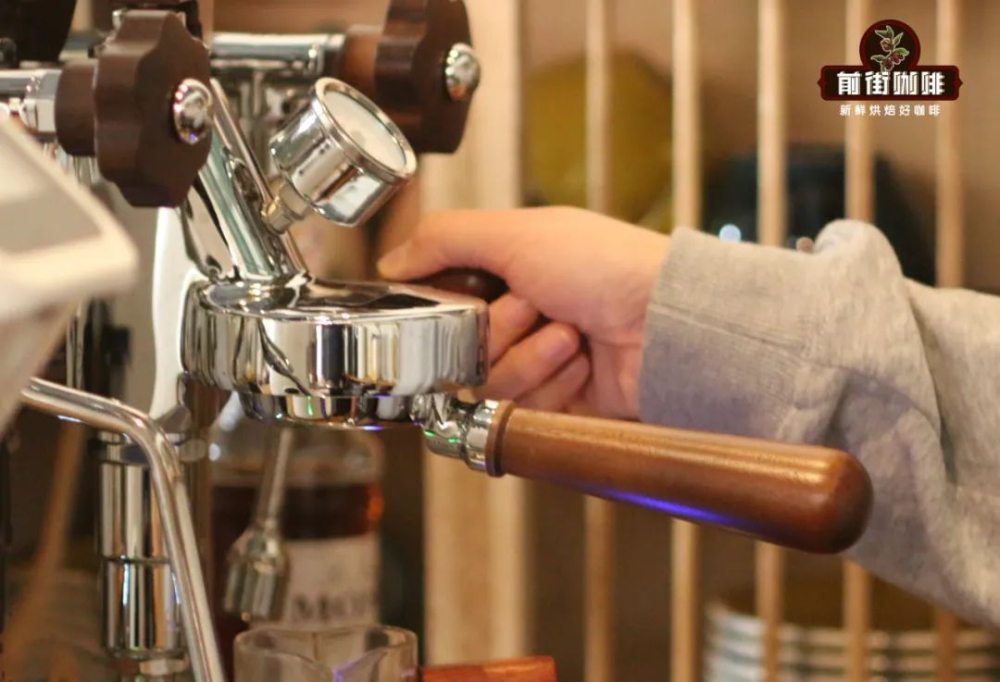
What is Espresso? Espresso, also known as "Espresso," is a coffee beverage or Italian-style coffee base originating from Italy. It is coffee that is rapidly extracted under high pressure. Traditionally, a single shot of espresso has a volume of about one ounce. The internationally accepted technical standard is as follows: around 7 grams of [more…]
An In-Depth Analysis of Panama Hacienda La Esmeralda Geisha Coffee: A Complete Guide from Variety Origins to Red Label Pour-Over Brewing
Geisha coffee is nothing short of a legend in the specialty coffee world, and Panama's Hacienda La Esmeralda is the force behind propelling this variety to stardom. From the perspective of Front Street Coffee, this article systematically traces Geisha's century-long migration from the wild forests of Ethiopia to the Boquete Valley in Panama, explains in detail how Hacienda La Esmeralda established its Red Label, Green Label, and Blue Label grading system based on altitude and cupping performance, and provides an in-depth analysis of the Red Label Geisha's variety characteristics, terroir conditions, and brewing essentials. Whether you are a novice just encountering Geisha or a seasoned enthusiast looking to refine your pour-over technique, you will gain a complete understanding of this top-tier coffee along with practical brewing parameters. [more…]
From Degassing to Opening and Consumption: A Flavor-Window Rhythm Guide for Italian-Style Dark and Medium-Dark Roasts
After coffee beans are roasted, they continuously release a large amount of carbon dioxide internally. Due to differences in the degree of heat exposure, dark roasts and medium-dark roasts naturally differ in their internal pore structure and degassing rate. This physiological change directly determines the crema condition during espresso extraction, and also defines the time window during which flavor development reaches a balanced state. [more…]

Starbucks Flat White Preparation Method Explained: What Is the Connection Between Flat White and Furuibai?
A flat white is a drink with less milk and more coffee, typically made with a double espresso paired with fine microfoam, placing it somewhere between a latte and a cappuccino. It originated during World War II, when Italian immigrants brought espresso culture to Australia and New Zealand, and the two countries still argue over who invented it first. In 2015, Starbucks launched the flat white in the United States, and in the same year it entered mainland China, where it was translated as "馥芮白". This article explains in detail how it differs from a latte and a cappuccino, and shares Front Street Coffee's flat white recipe, including bean blend selection, extraction parameters, and milk frothing techniques. [more…]
A High-Value Choice Among Panamanian Coffees: Flavor and Origin Analysis of the Butterfly Geisha Blend
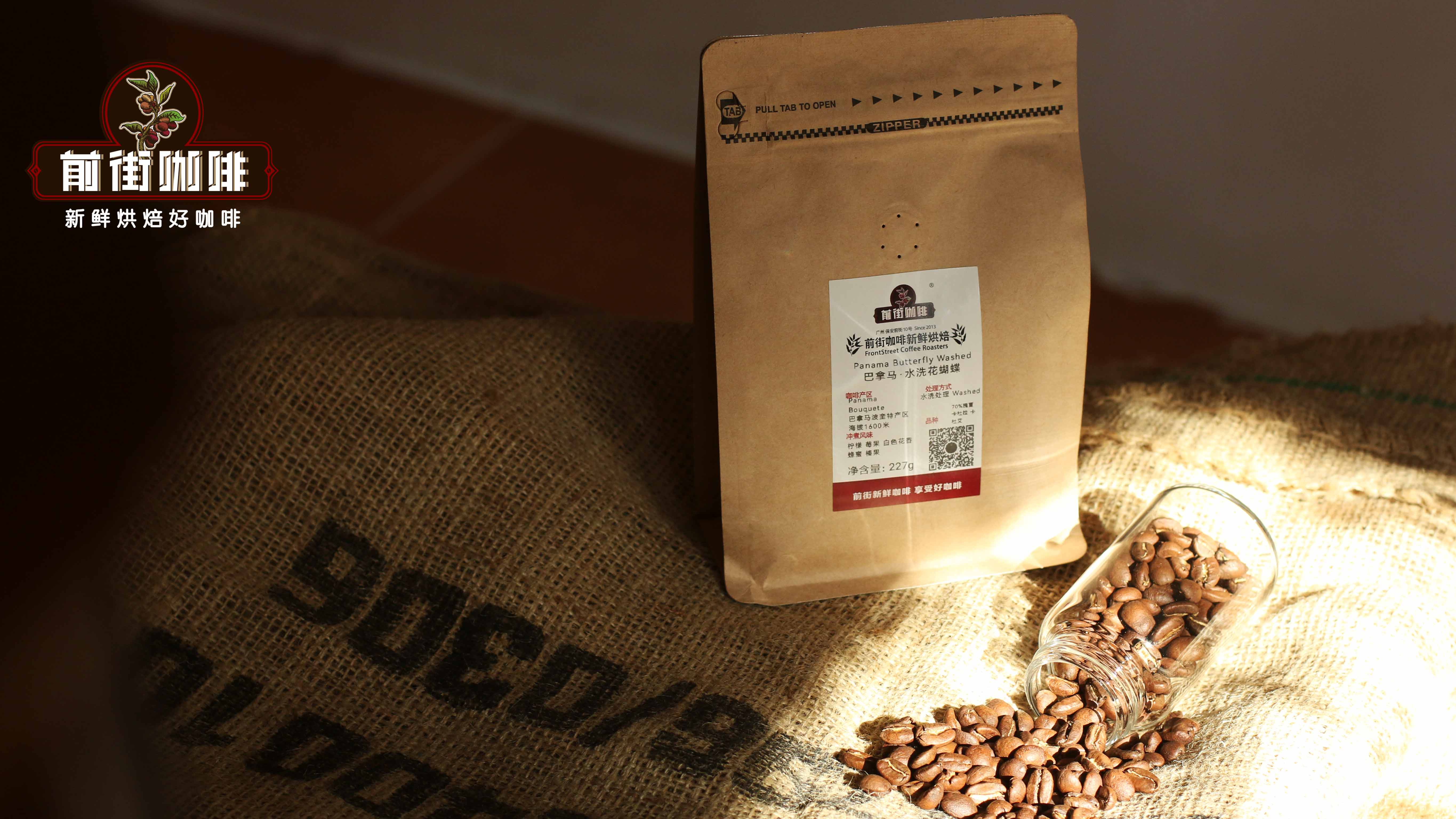
Panama coffee occupies a pivotal position in the international specialty coffee landscape, and among the most cost-effective options is Front Street Butterfly. This bean is a blend of three varieties—Geisha, Caturra, and Catuai—and thanks to the inclusion of Geisha, it displays signature floral and fruity notes. This article will explore Butterfly's varietal origins, processing methods, roasting recommendations, and cupping performance, while also outlining the climatic conditions, historical background, and main producing regions that made Panama coffee famous, giving you a comprehensive understanding of why this Central American coffee powerhouse continues to produce high-quality coffee. [more…]
Choosing coffee beans with a full-bodied crema based on roast level
If you want a cup of coffee that looks oily and has a thick, rich mouthfeel, make roast level your first consideration when choosing beans. Light-roasted beans usually emphasize floral and fruity notes along with bright acidity; their surface is dry and they show little oiliness. Medium to dark roasts, on the other hand, more readily develop nutty, cocoa, caramel, and roasted aromas, and taste richer as well. If your daily routine centers on [more…]
The art of leveling the coffee bed in pour-over brewing: How the Brazil nut effect causes uneven blooming and over-extraction
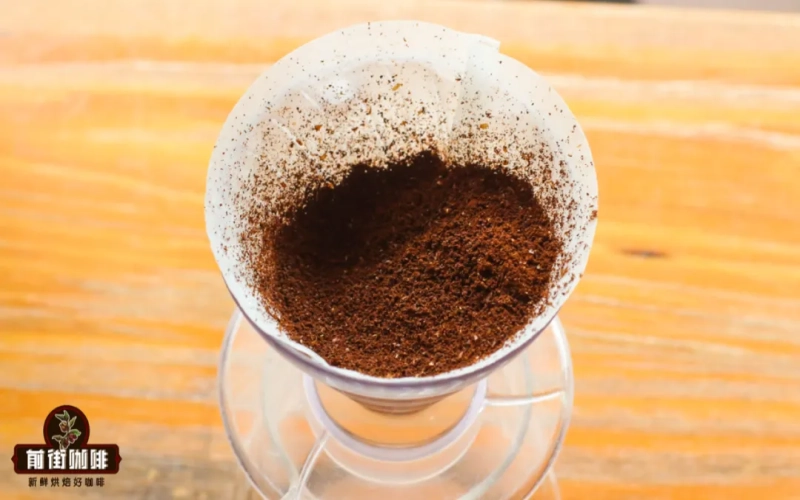
Many coffee enthusiasts are in the habit of tapping the dripper during pour-over to level the coffee bed, believing this promotes more even extraction. But you may not know that frequent or forceful tapping can actually trigger the "Brazil nut effect," causing fine particles to sink to the bottom and coarse particles to float up, leading to two negative outcomes: first, during blooming, hot water struggles to evenly saturate all the coffee grounds, and the fine particles at the bottom stay dry, resulting in under-extraction; second, the fine particles clog the pores of the filter paper, prolonging the extraction time and causing over-extraction. Through repeated testing, Front Street Coffee has found that when using a conical dripper and denser coffee grounds, digging into the bed after multiple taps often reveals dry clumps at the bottom. So how should an uneven coffee bed be handled? And what should you watch out for when tapping? This article will break it down for you in detail. [more…]
An In-Depth Analysis of Pour-Over Coffee Stirring Techniques: From Champion Methods to Extraction Effects
In the process of pour-over coffee, the action of stirring the coffee bed has attracted increasing attention from enthusiasts in recent years. Some hope to enhance the sweetness and flavor layers of coffee through stirring, while others remain skeptical of its effects. This article, from the perspective of Front Street, reviews the origins and representative figures of stirring techniques, analyzes the different roles of stirring during the blooming stage and the main extraction stage, and, combined with practical comparative experiments, explores the impact of stirring on extraction results, as well as issues that need attention such as fine particle clogging and bean quality, helping coffee enthusiasts make a more rational judgment on whether to stir and how to stir. [more…]